
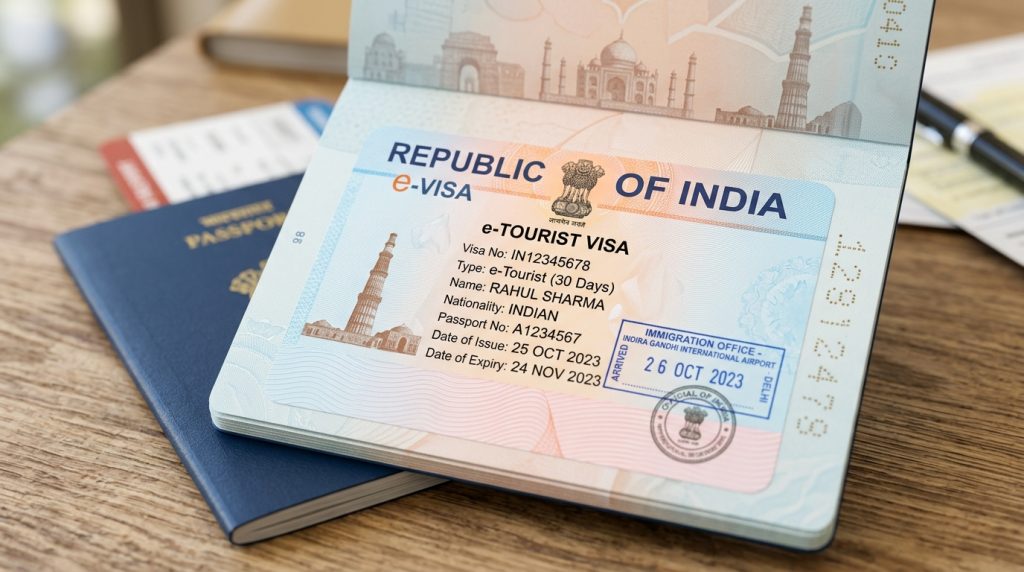
India stands as a powerful epicenter for global academic exchange, corporate networking, and diverse cultural tourism. As the nation continues to expand its digital infrastructure, the Government of India has streamlined its border entry processes by utilizing the Electronic Travel Authorization (ETA) framework. This online system empowers international visitors to secure their necessary entry permits rapidly from their home countries, removing the stressful requirement of booking in-person embassy appointments or mailing out physical passports.
However, achieving a seamless digital application experience relies entirely on the traveler’s attention to detail. Whether you are traveling across the ocean to attend a high-level research summit or embarking on a long-awaited cultural holiday, understanding the exact rules of the online visa portal is the first step toward a successful journey.
Navigating Academic and Corporate Events: The Specialized Clearance Path
Attending international events in India involves specific protocols that separate it from standard holiday travel. When global professionals, researchers, and subject-matter experts plan to visit the country for workshops, seminars, or institutional summits, they must select a specific electronic permit tier tailored to their precise travel intent.
Navigating the application platform correctly means knowing exactly how to process a CONFERENCE VISA FOR INDIA online. Unlike standard tourist applications, this technical category demands specific formal invitations and ministerial clearances. The system requires the applicant to upload a formal invitation letter from the organizing institution in India.
Furthermore, depending on the scale and nature of the event, documentation certifying clearances from the Ministry of External Affairs (MEA) and the Ministry of Home Affairs (MHA) must also be uploaded. Failing to secure these institutional documents or attaching blurred, illegible scans will immediately halt the vetting process and can lead to a quick administrative rejection.
Tailored Strategic Pathways for Pacific Island Passports
Bilateral relations, global locations, and diplomatic arrangements directly impact the structure of digital visa parameters across different passport jurisdictions. Processing timelines, administrative fee frameworks, and stay limitations can vary significantly based on your official country of citizenship.
For instance, travelers holding passports from the South Pacific region have access to designated digital modules optimized for international mobility. Accessing the appropriate portal details for an INDIAN VISA FOR SAMOAN CITIZENS ensures that applicants from this island nation understand the precise entry points allowed under their specific travel tier. It is essential to remember that the electronic travel permit does not allow entry through every single border crossing; it restricts arrivals strictly to a designated list of major international airports and prominent seaports equipped with biometric processing counters.
Additionally, because transit routes from the South Pacific often involve multiple layovers, ensuring the e-Visa is fully approved before checking in for your initial flight is vital to prevent boarding complications.
Crucial Document Standards and System Precision
The vast majority of digital visa rejections or unexpected processing delays do not stem from a lack of true traveler eligibility, but rather from minor clerical errors or substandard document uploads. To ensure your application passes the strict consular checks on the first try, pay close attention to these parameters:
- Passport Validity: Your passport must possess a minimum validity of six months from the exact date you intend to cross the Indian border. The passport book must also contain at least two completely blank pages for physical immigration stamps.
- Biographic Page Clarity: You must upload a high-resolution, cropped PDF scan of your passport’s photo page. All text, signatures, and numbers must be completely visible without any camera glare, shadow, or border clipping.
- Biometric Photograph Specifications: The digital photograph must be a recent, square, front-facing image against a solid, plain white background. Images showing shadows, uniforms, or eyewear will be flagged automatically by the system.
- Data Matching: Every string of text typed into the live form—including middle names, parental details, and passport issue dates—must match the layout of your official passport down to the exact character.
A Systematic Strategy for Online Submissions
Approaching the digital application portal methodically reduces stress and minimizes the margin for data entry errors.
