
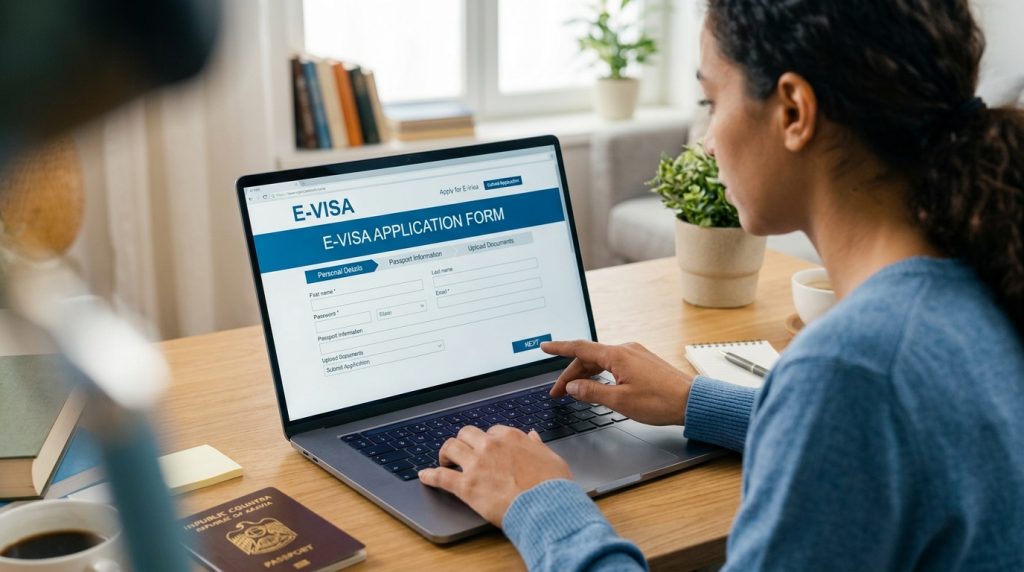
International travel has evolved significantly over the past decade. Gone are the days when securing entry to a foreign country meant standing in long queues at embassies or mailing physical passports across the world. Today, digital travel authorizations and electronic visas have transformed how globetrotters plan their journeys. Whether you are traveling for tourism, business, or education, understanding how digital visa systems work ensures a stress-free journey.
The Shift Toward Electronic Travel Authorizations
Electronic visas—commonly known as e-Visas—are official documents issued online by government authorities. They link directly to a traveler’s passport number in a secure global database. This digital integration speeds up border control checks and eliminates paper-heavy applications.
Despite the convenience of digital applications, first-time applicants often encounter uncertainty regarding eligibility requirements, processing timeframes, or document formatting. For those seeking clarity before submitting their application, reviewing detailed responses to common EVISA QUESTIONS helps prevent simple mistakes that could lead to delays or unexpected rejections.
Key benefits of electronic visas include:
- Faster Processing: Most digital visas are approved within a few business days, far quicker than traditional paper visas.
- Paperless Application: Supporting documents—such as passport scans and photo uploads—are submitted entirely online.
- Convenient Tracking: Applicants can monitor their status in real time through secure online portals.
Preparing for Travel to North America: Canadian Entry Options
North America remains one of the world’s most sought-after travel destinations, with Canada leading the way for international visitors, students, and skilled workers. However, entry guidelines vary depending on your citizenship, the duration of your stay, and your primary reason for visiting.
Before booking flights or accommodation, it is essential to review the specific legal categories available. Choosing the correct TYPE OF CANADA VISA depends on whether your intention is short-term leisure, seasonal employment, long-term study, or transit through Canadian airports.
For short visits, travelers from visa-exempt countries usually only require an Electronic Travel Authorization (eTA). Conversely, citizens from non-exempt nations must apply for a standard Visitor Visa (Temporary Resident Visa). Selecting the appropriate pathway ensures your travel plans remain compliant with local immigration policies.
Essential Best Practices for a Seamless Application
To maximize your chances of a smooth application approval, keep the following travel preparation tips in mind:
- Verify Passport Validity: Ensure your passport remains valid for at least six months beyond your intended departure date.
- Apply Early: Even though electronic systems are fast, submit your application at least two to three weeks before departure to account for potential administrative reviews.
- Double-Check Personal Details: Mismatched names, incorrect passport numbers, or mistyped dates of birth are the leading causes of application delays.
- Keep Digital & Printed Copies: While e-Visas are linked electronically to your passport, carrying a physical printout of your confirmation can resolve occasional airline check-in or system errors.
Final Thoughts
The transition to digital visas has made crossing international borders simpler and more accessible than ever before. By researching entry requirements in advance, preparing accurate documentation, and selecting the correct authorization for your destination, you can focus on enjoying your journey with total confidence and peace of mind.
