
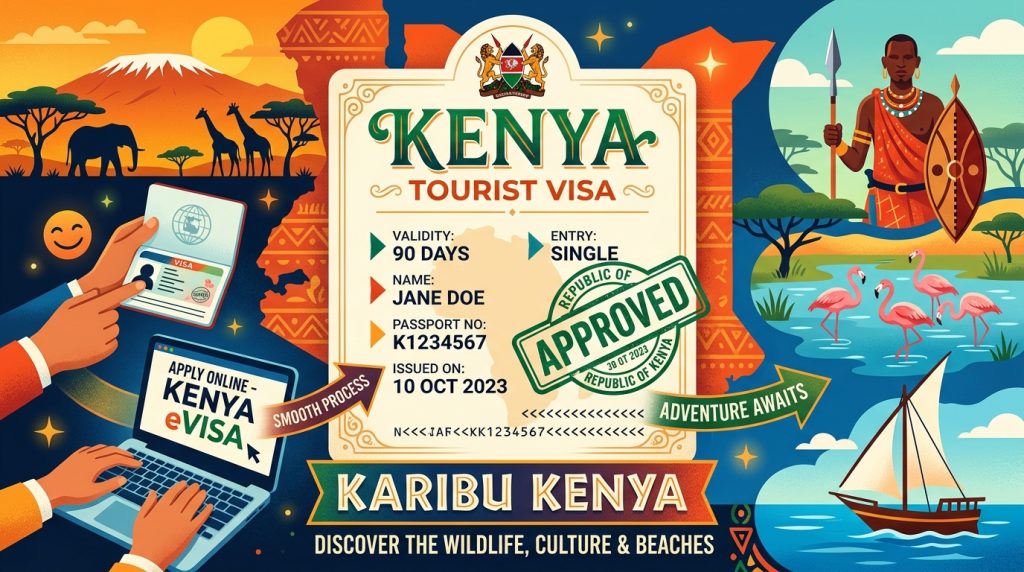
Kenya remains one of the world’s most spectacular travel destinations, captivating global adventurers with the endless plains of the Masai Mara, the dramatic backdrop of Mount Kilimanjaro, and a deeply rich cultural tapestry. Over the last couple of years, Kenya has fundamentally transformed its entry systems to make tourism, family visits, and international business travel smoother than ever before.
By replacing its traditional paper-based visa program with an advanced Electronic Travel Authorization (ETA), the Kenyan government has completely simplified the pre-travel paperwork. If you are planning a journey from Western or Eastern Europe, understanding this updated digital application process is your very first step toward an unforgettable African expedition.
The Transition to Kenya’s Electronic Travel Authorization (ETA)
In an ambitious push to foster global connectivity and boost international tourism, Kenya transitioned to a semi-visa-free regime. While this means traditional, physical stamps from an embassy are a thing of the past, international visitors still must secure an official digital authorization prior to boarding their flights.
The online platform functions quite similarly to the previous electronic visa system but incorporates enhanced security verification and significantly faster processing windows. Travelers simply submit their information online, upload a few supporting documents, and receive their official travel authorization via email, which must be presented at airline check-in desks and border control.
Planning an Adventure from Belgium
For Belgian citizens, Kenya offers an incredible contrast to the landscapes of Western Europe. Whether you are looking to witness the Great Migration or relax on the pristine white sands of Diani Beach, getting your administrative paperwork in order is the foundation of a stress-free trip.
Because standard entry policies apply globally, securing your approval ahead of time prevents unexpected disruptions at Brussels Airport or transit hubs. Navigating this electronic process can be handled entirely from the comfort of your home. To learn more about specific documentation guidelines and to access a reliable application portal, travelers should review the official requirements for a Kenya Visa for Belgian Citizens before finalizing their flight itineraries.
Core Requirements for Belgian Applicants
- Passport Validity: Your Belgian passport must be valid for at least six months from your arrival date in Nairobi and contain at least two blank pages.
- Recent Photo: A clear, passport-style digital photograph taken against a white background with a full face view.
- Flight Information: A copy of your confirmed return or onward flight ticket to demonstrate compliance with standard tourist stay limitations.
- Accommodation Proof: Hotel bookings, lodge reservations, or an official invitation letter if you are staying with a host in Kenya.
Preparing for Departure from Belarus
For travelers originating from Belarus, a trip to East Africa represents a thrilling journey across diverse ecosystems. From tracking rhinos in Tsavo to exploring the historic architecture of Mombasa, the experiences are unmatched.
Before embarking on this cross-continental trip, Belarusian passport holders must ensure they align with Kenya’s modernized digital immigration protocols. Utilizing the online system ensures that your credentials are thoroughly verified well before your departure date. To initiate your electronic registration and read through the processing timelines, visitors can access the dedicated platform for a Kenya Visa for Belarusian Citizens to guarantee a flawless experience at the border.
Essential Checklist for Belarusian Applicants
- Valid Passport: A Belarusian passport with a minimum of six months of remaining validity.
- Active Email Address: A reliable email inbox where your official PDF travel authorization will be sent upon approval.
- Financial Sufficiency: Evidence of sufficient funds to comfortably cover your day-to-day expenses throughout your stay.
- Health Certifications: Depending on your specific flight connection routes (such as transiting through certain African hubs), a Yellow Fever vaccination certificate may be requested upon landing.
Step-by-Step Online Application Process
Navigating the digital travel portal is highly straightforward if you have your documents organized in advance. Follow these basic steps to submit your application:
- Fill Out the Profile: Complete the online forms with accurate personal details, passport numbers, and your intended dates of entry and exit.
- Upload Documents: Attach clear, high-resolution scans of your passport bio-page, your digital photograph, and your confirmed travel itinerary.
- Review Everything: Double-check every field for typos. Minor mistakes or mismatched digits can lead to immediate delays or boarding denials.
- Pay the Processing Fee: Submit the mandatory processing fee securely online using a valid debit or credit card.
- Download and Print: Once approved, the document arrives via email. Print a hard copy and keep a digital backup on your smartphone to present to airline personnel and Kenyan immigration officials.
Practical Travel Tips for an Unforgettable Kenyan Safari
Once your digital travel paperwork is securely approved, you can turn your attention to the exciting components of your upcoming vacation. Kenya is a vast country with varied microclimates, meaning a tiny bit of pre-trip preparation goes a long way.
- Best Time to Visit: To witness the world-famous wildlife migrations, plan your journey between July and October. For birdwatching and lush, uncrowded landscapes, the green seasons (November to December) offer incredible value.
- Pack Wisely: Lightweight, neutral-colored clothing is perfect for daytime game drives, but do not forget a warm fleece or jacket. Early morning and late evening safaris can be surprisingly chilly, even right on the equator.
- Currency and Payments: The local currency is the Kenyan Shilling (KES). While major credit cards are widely accepted in international hotels and luxury safari lodges, keeping small amounts of local cash is ideal for tipping guides and buying authentic handmade crafts at local markets.
